Examples of work
Windrush Stories 2019
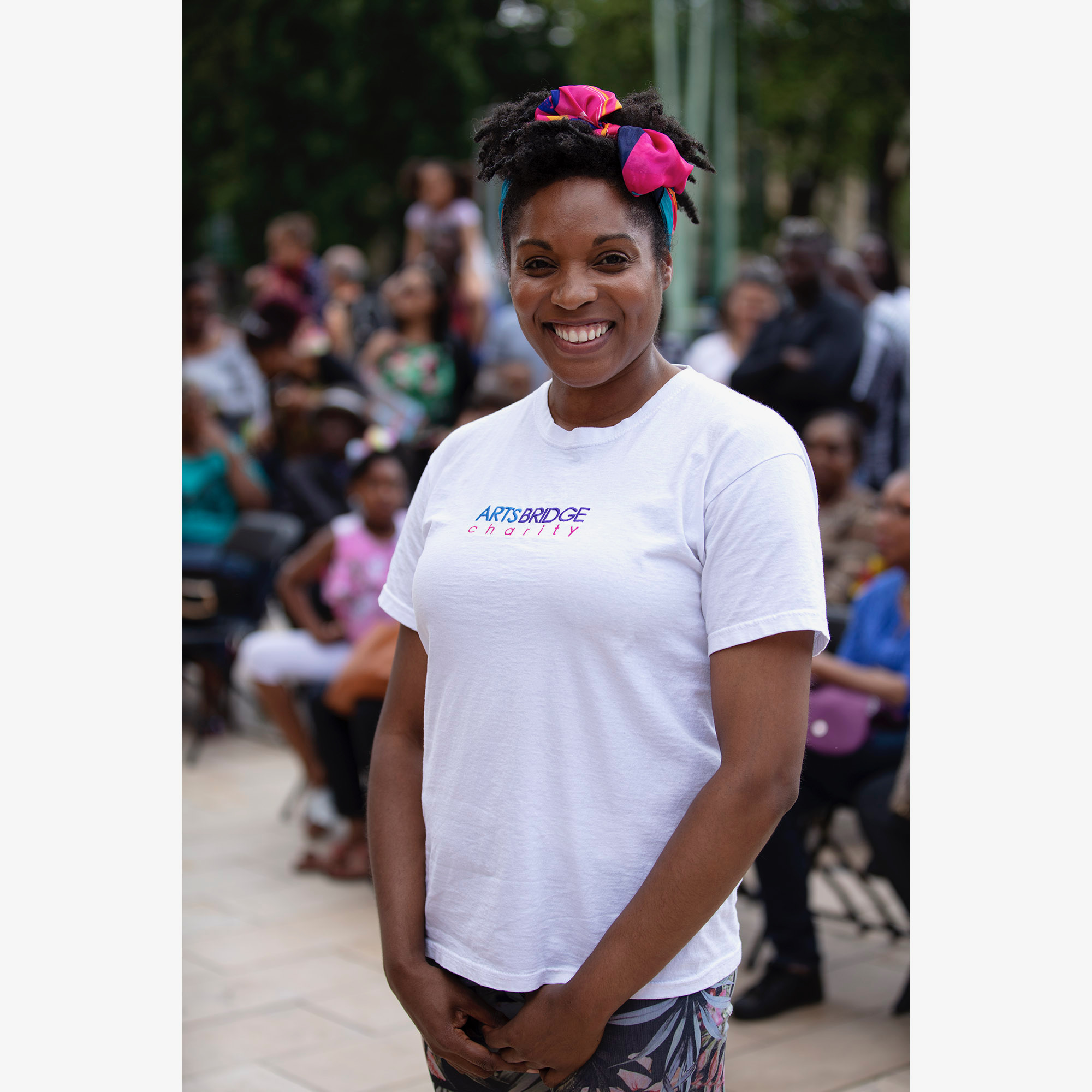
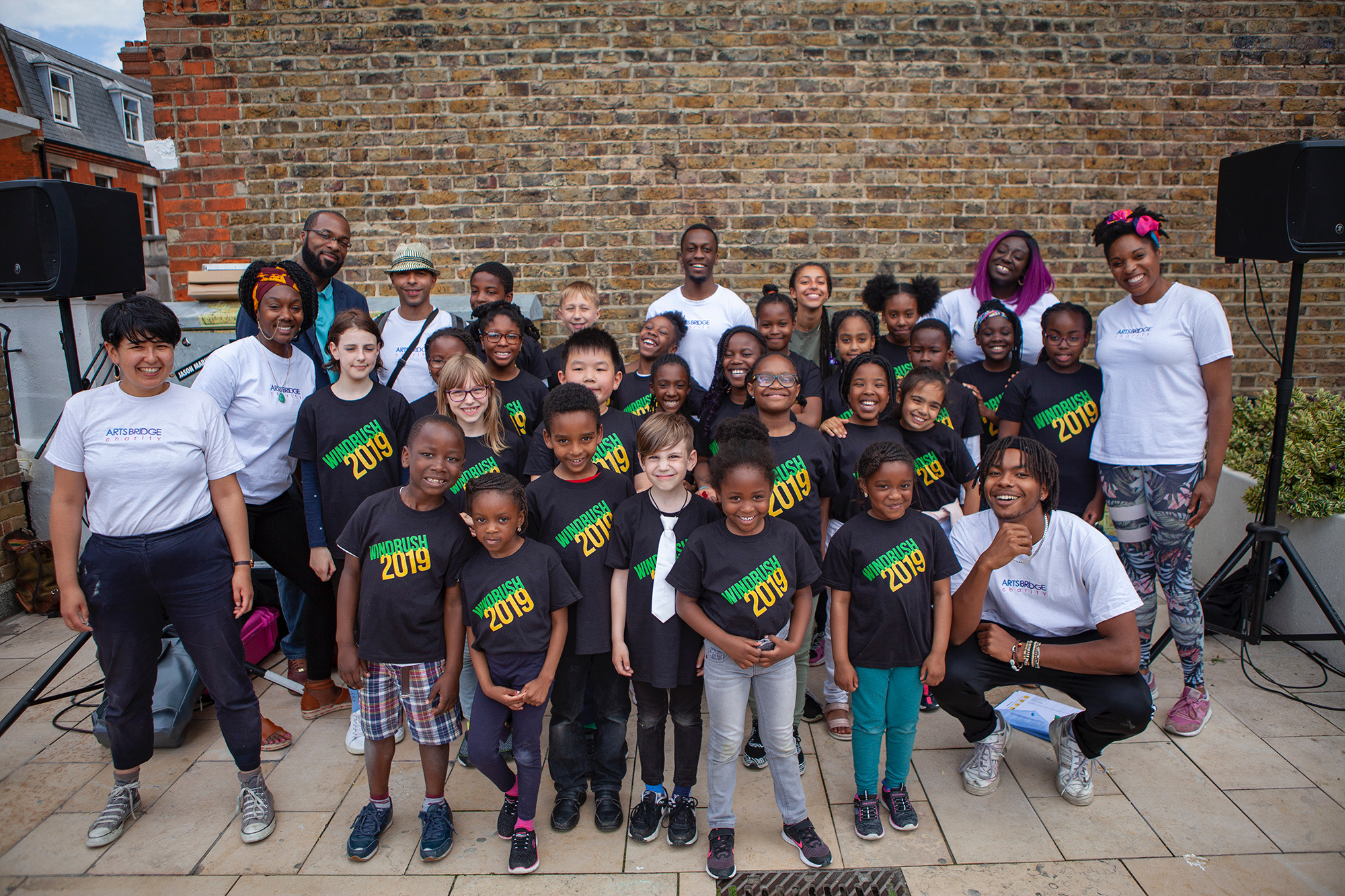
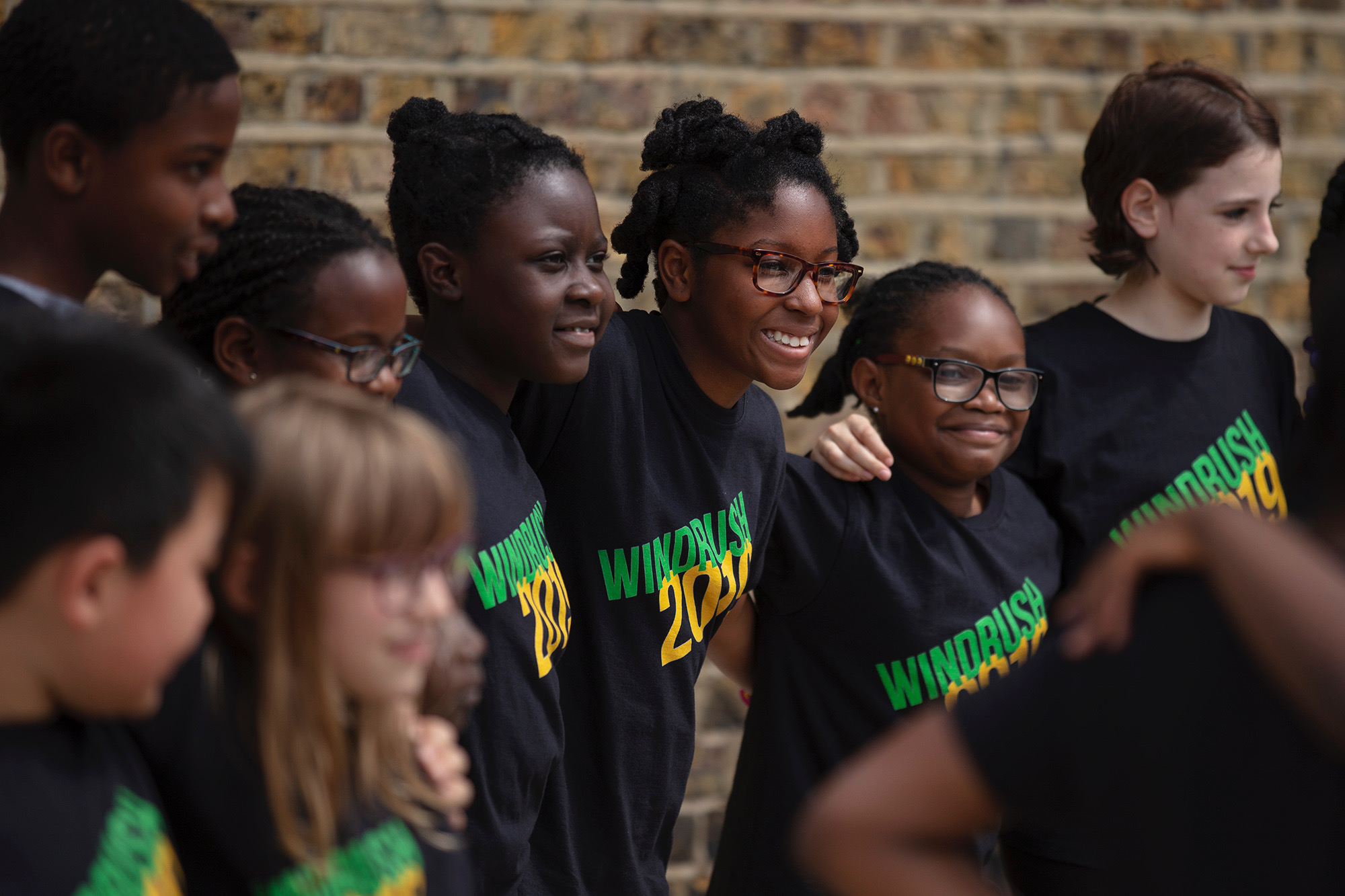
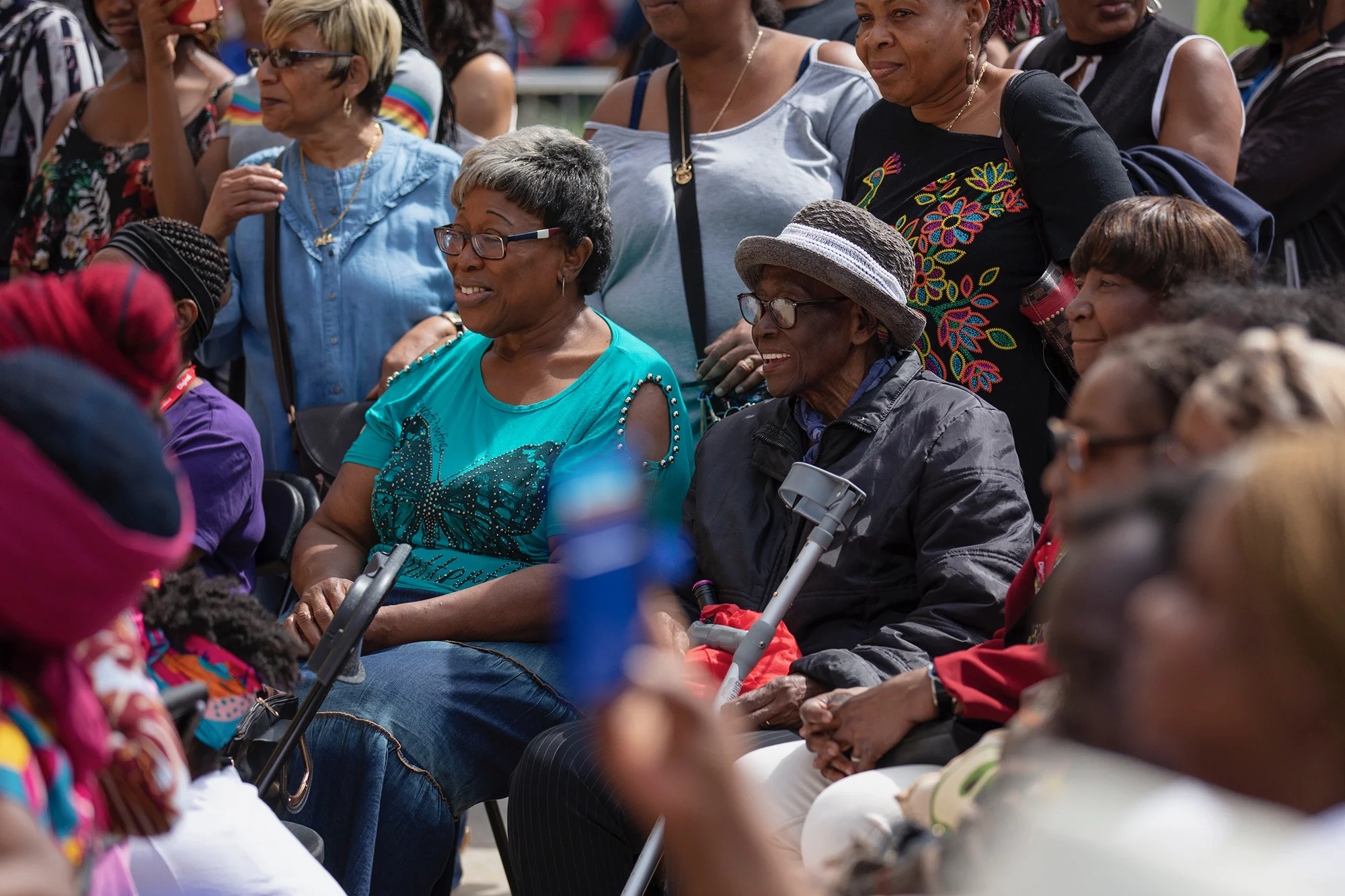
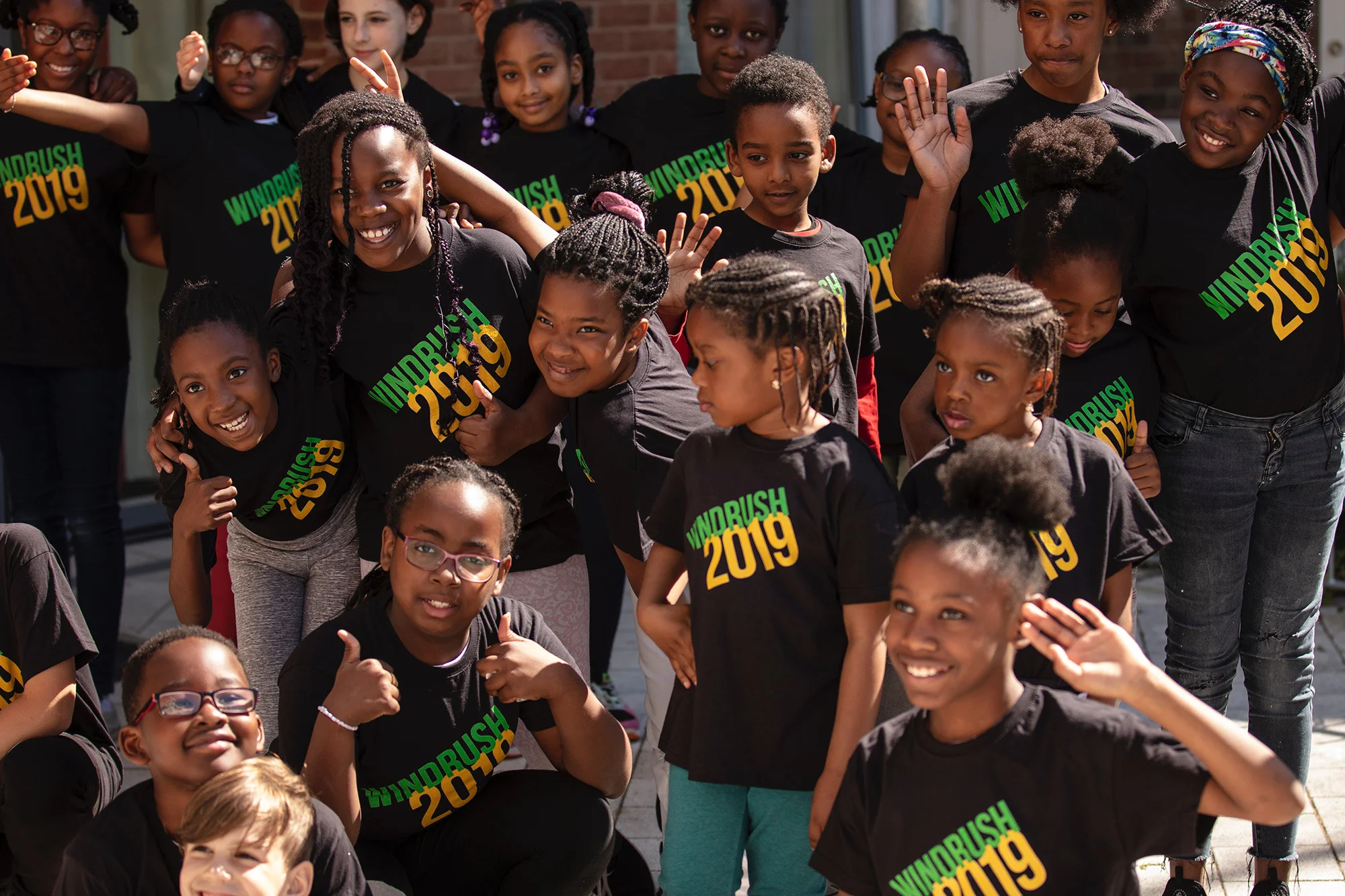
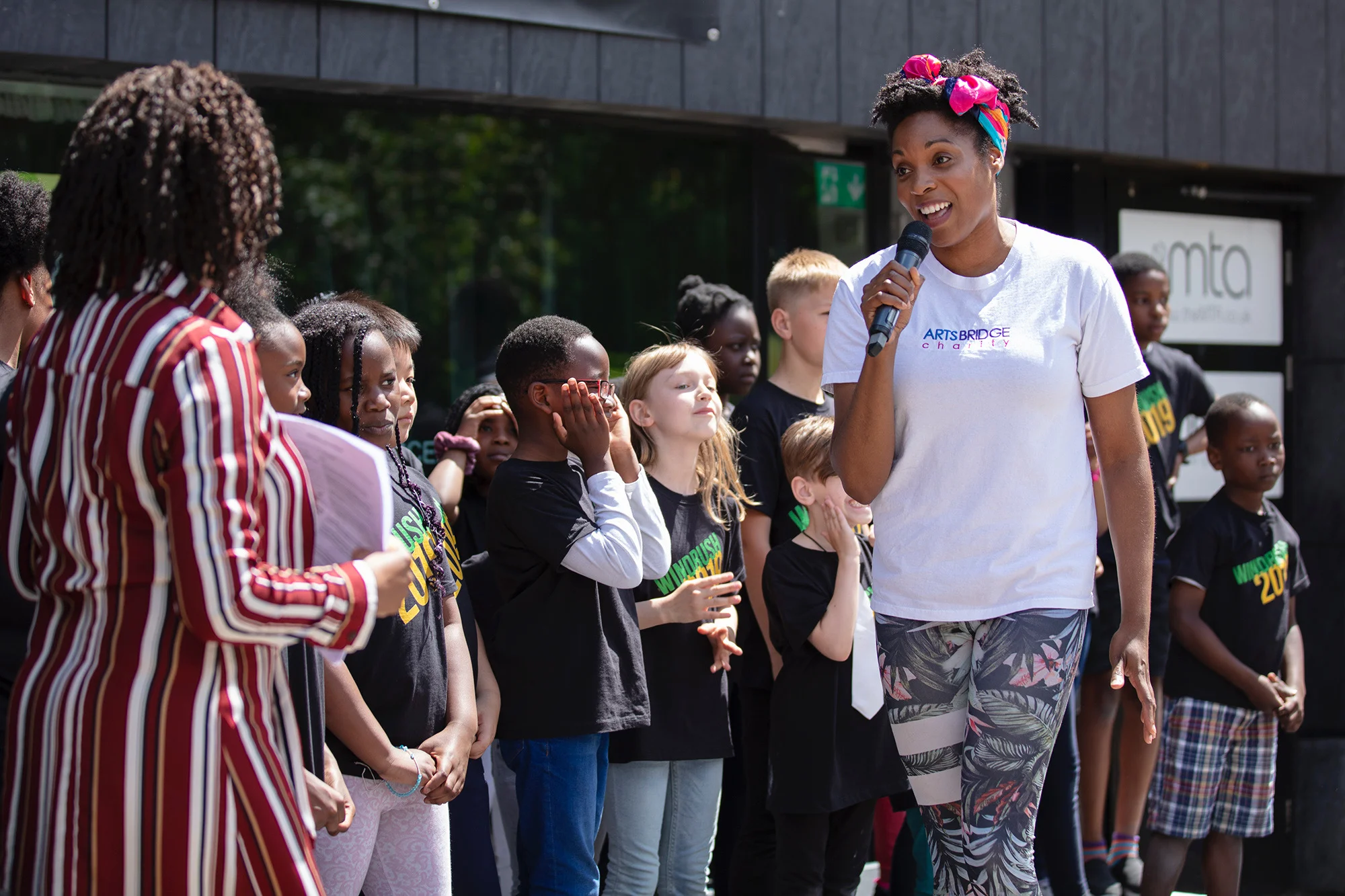
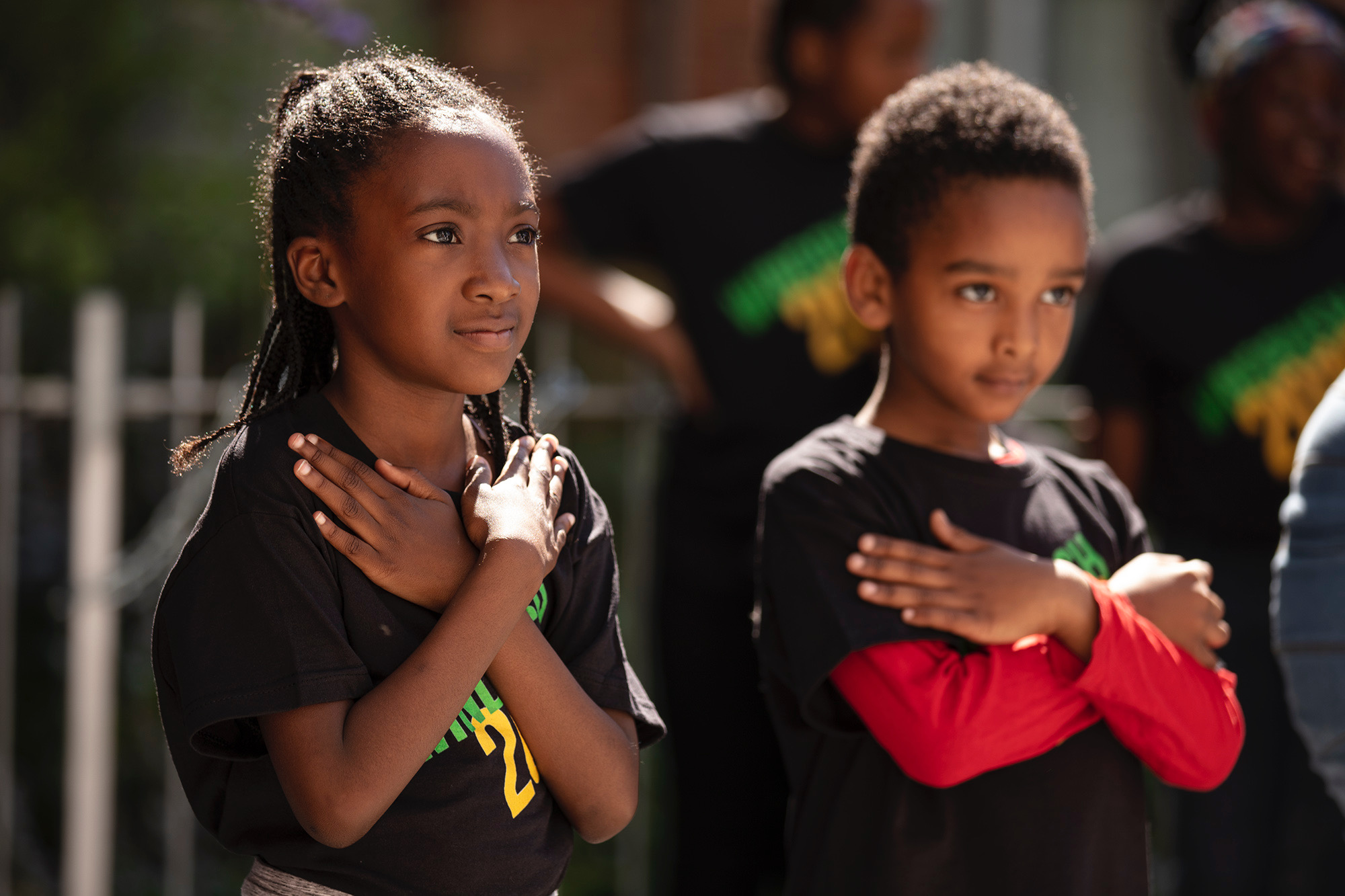
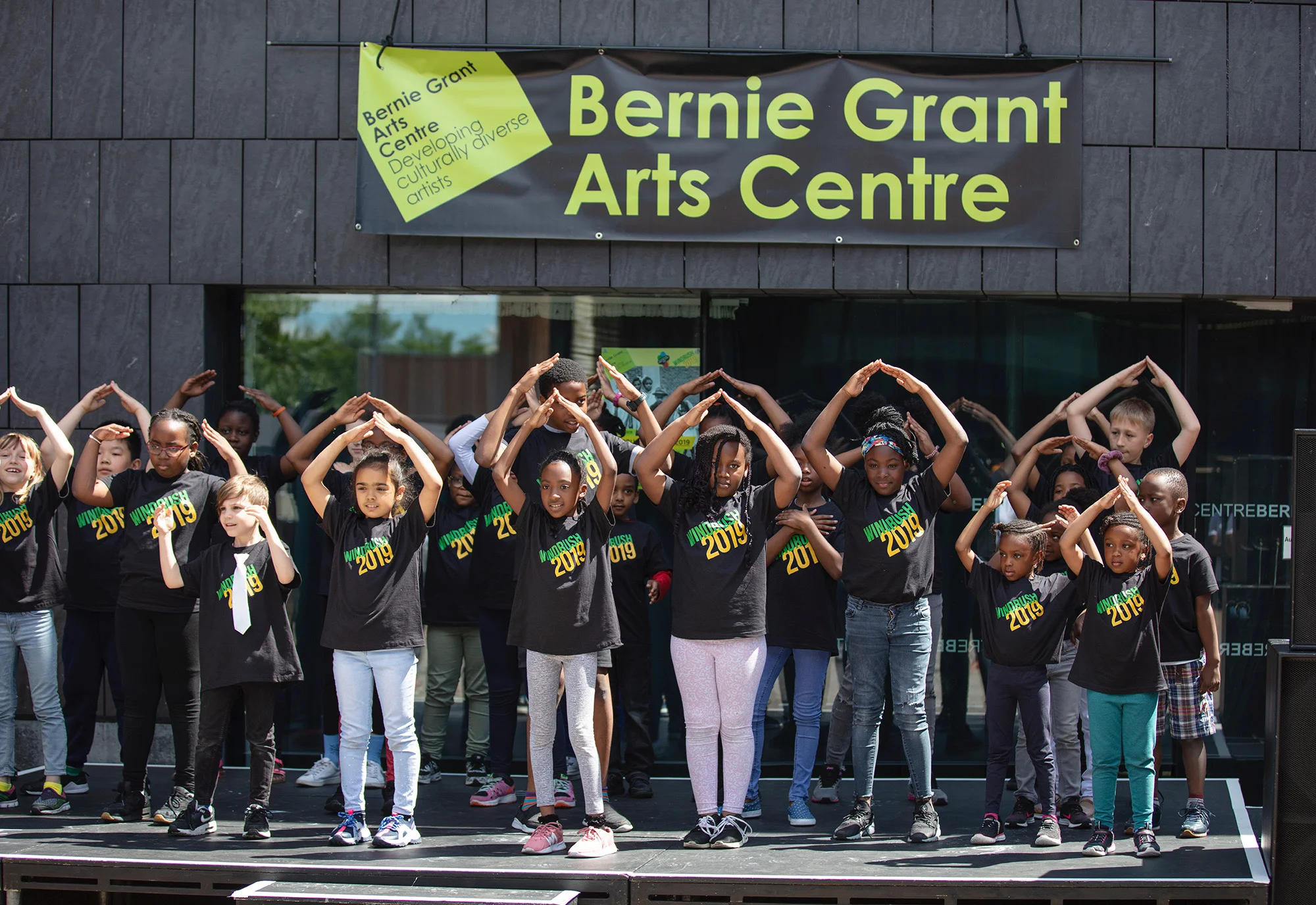
In 2019, Arts Bridge Charity delivered our first Windrush Stories project: an intergenerational drama programme bringing together children from Tottenham and Lambeth with Windrush Generation elders.
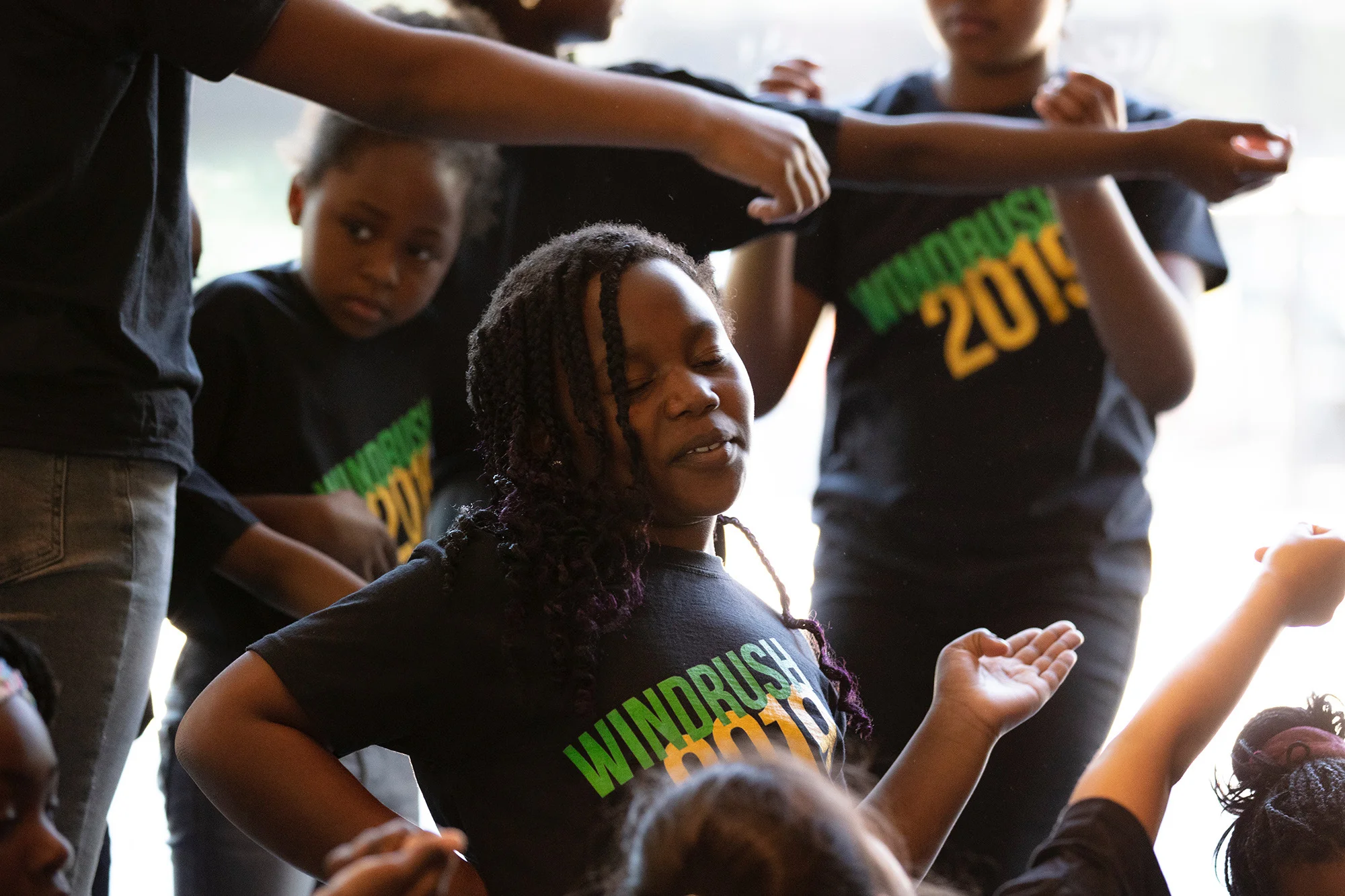
Over six weeks, children explored migration, identity and belonging through drama and storytelling. They interviewed local care home residents who had made the journey from the Caribbean to the UK in the 1950s and '60s, listening to their hopes, dreams, and lived experiences of building new lives in Britain.
Using verbatim theatre techniques, the children transformed these stories into a performance piece, embodying the elders' words and bringing their rich histories to life on stage. The project culminated in performances in both Tottenham and Lambeth on Windrush Day (22 June 2019).
Impact: We reached 1,100 participants, exceeding our target by 50%. Post-project evaluation showed that 95% of pupils gained historical knowledge and empathy for the Windrush Generation, while 78% of elders felt more valued by young people.
This project showed us the power of intergenerational storytelling and set the foundation for all our future Windrush work.
Images: © Steve Bright


Windrush 75 Portraits (2023)
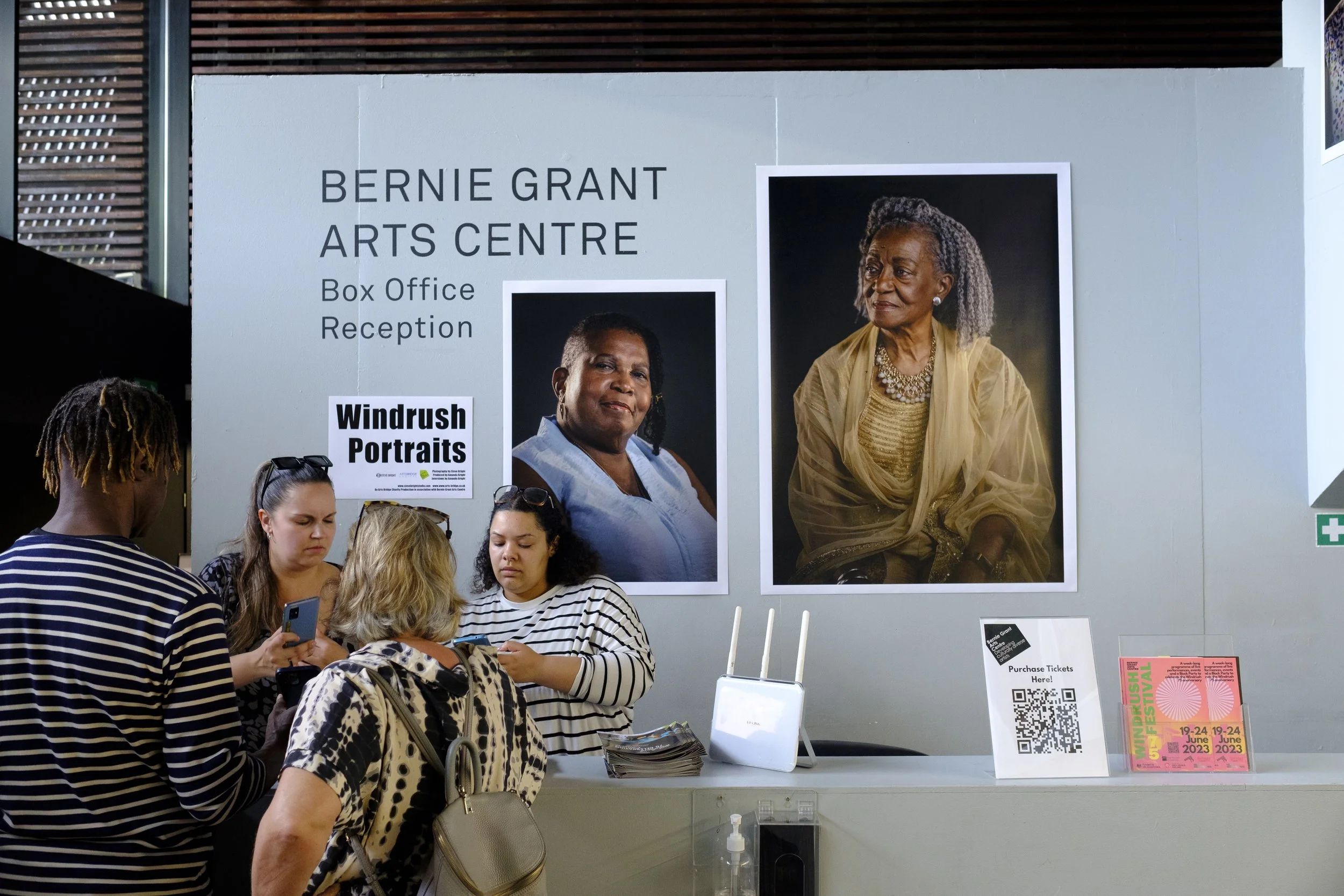
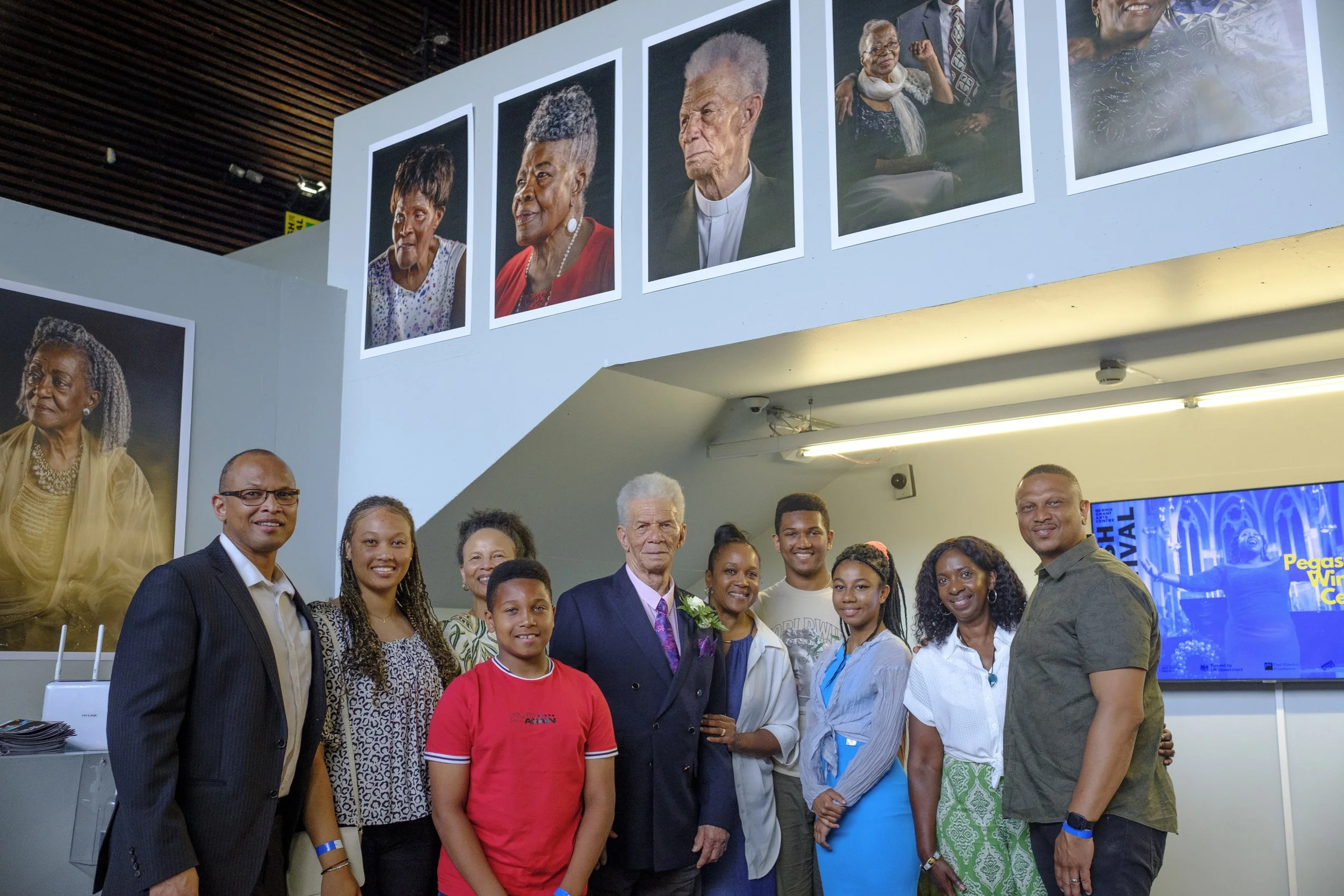
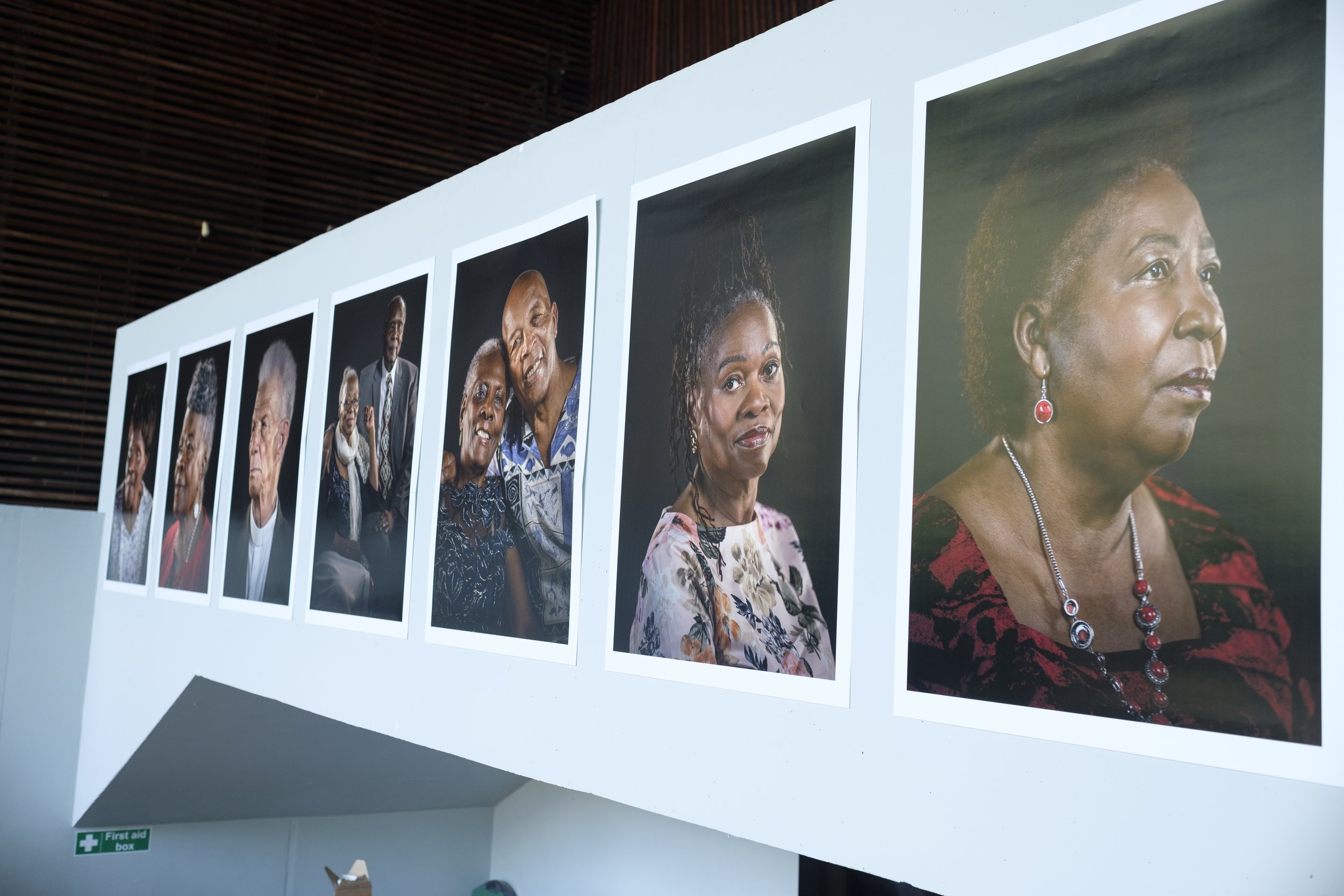
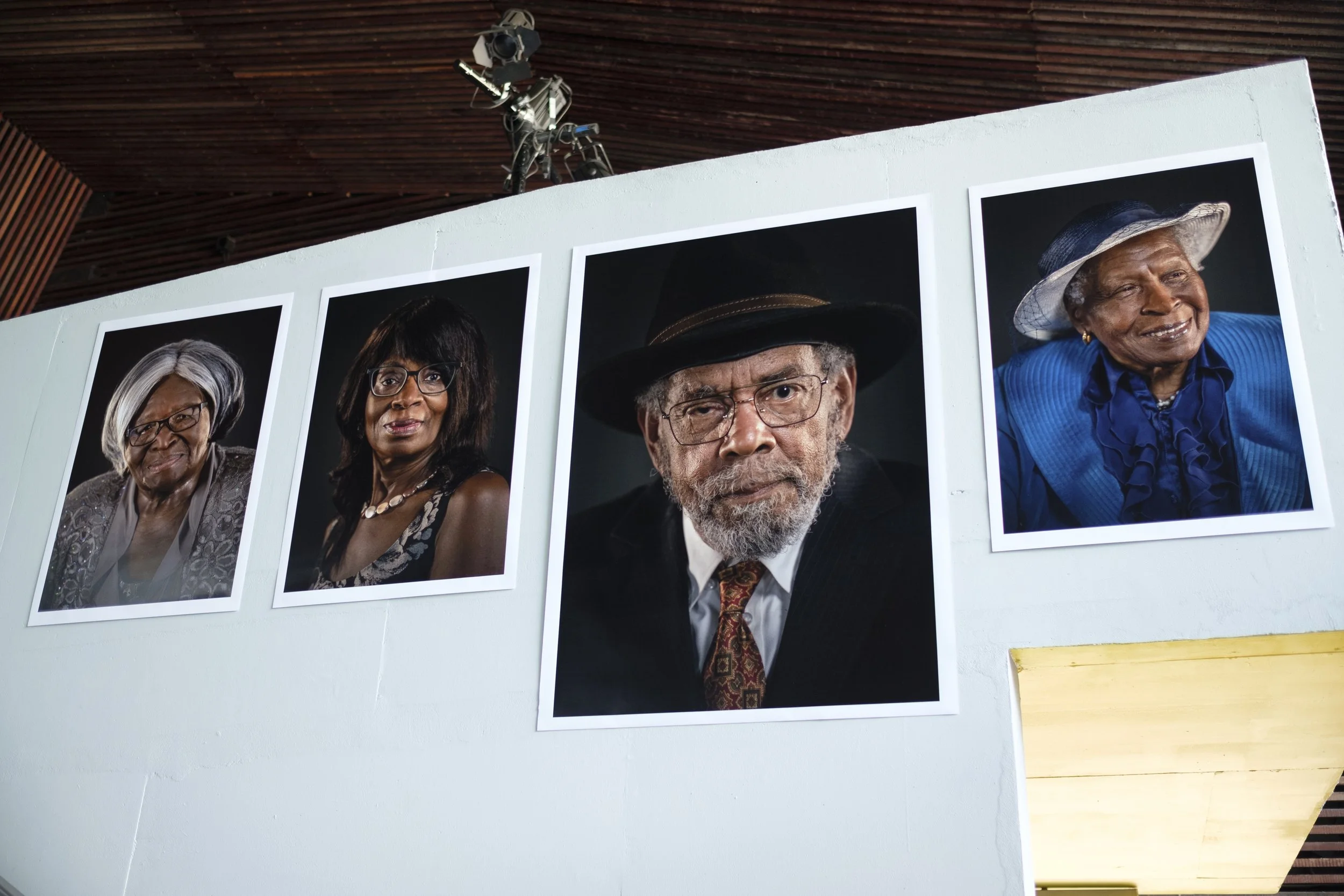
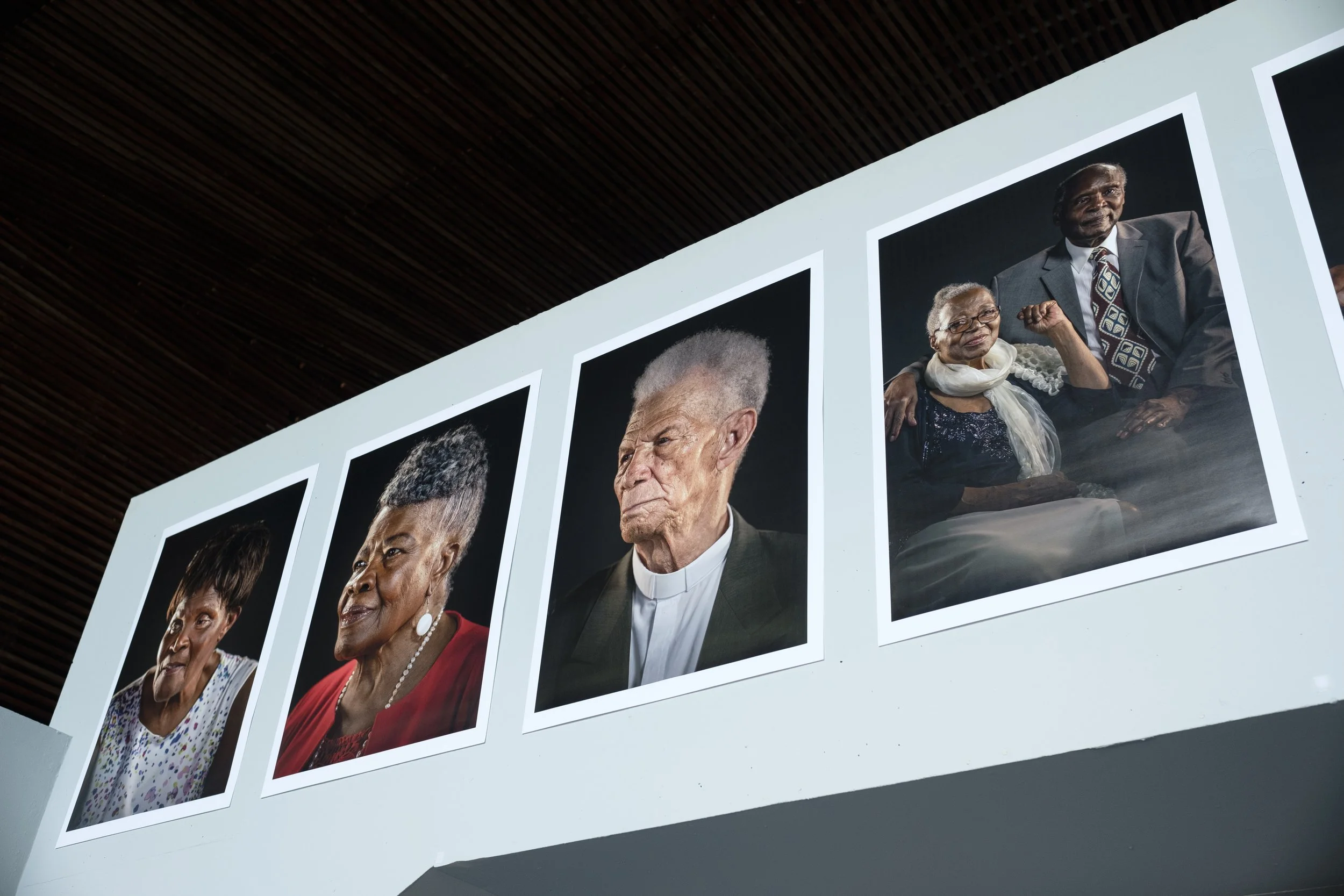
To commemorate the 75th anniversary of the Windrush arrival in the UK, Arts Bridge Charity partnered with photographer Steve Bright and Bernie Grant Arts Centre to create a series of portraits celebrating the Windrush Generation.
We invited elders who emigrated from the Caribbean to the UK in the 1950s and '60s to be photographed, honouring their journeys, their resilience, and their contributions to Britain. They came to the UK full of hope, invited by the British government to fill post-war labour shortages. They made lives, raised families, and built communities here, despite the racism and persecution they often faced.
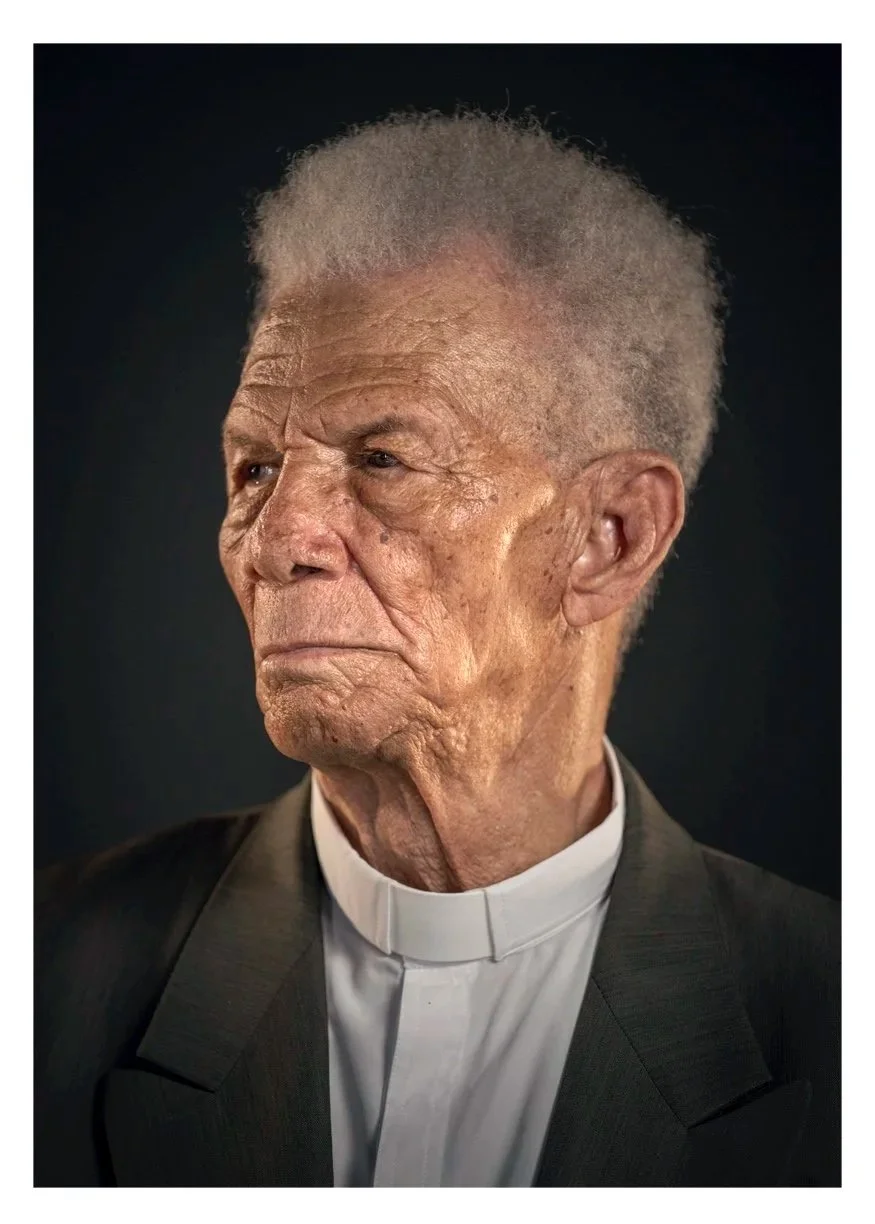
Each portrait session was led by the elders themselves. They chose how they wanted to be photographed, what they wanted to wear, and how they wished to be represented. The portraits capture their dignity, strength, and legacy.
Recognition: The image below, ‘John’, won Portrait of Britain 2024 (British Journal of Photography) and was displayed on digital billboards across the UK. The exhibition was held at Bernie Grant Arts Centre and reached over 2,000 visitors through physical and digital viewings.
Images: © Steve Bright
Winner: Portrait of Britain 2024
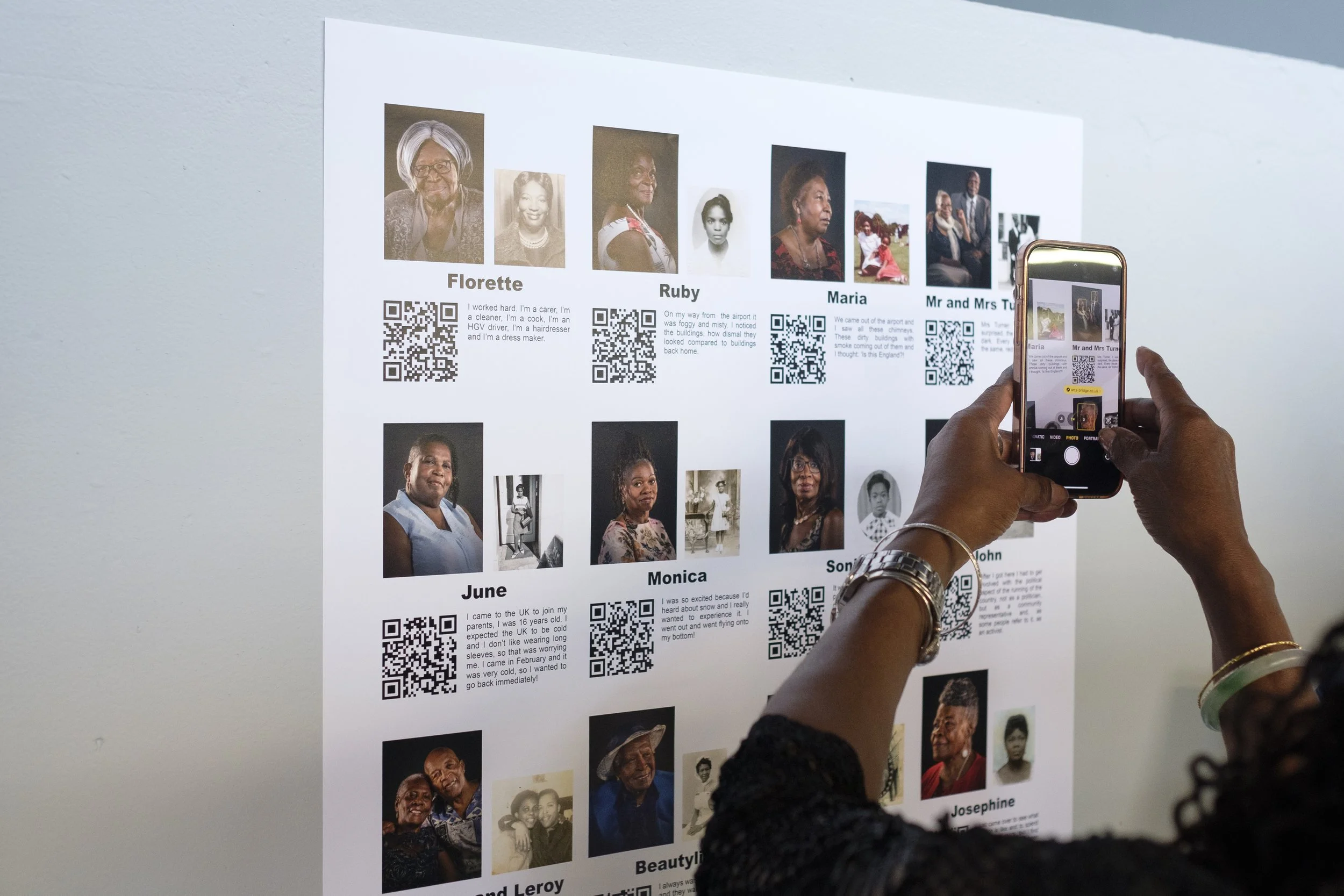
A selection of portraits from the exhibition. Each portrait was accompanied by an image of the Windrush Elder taken around the time they first arrived in the UK.
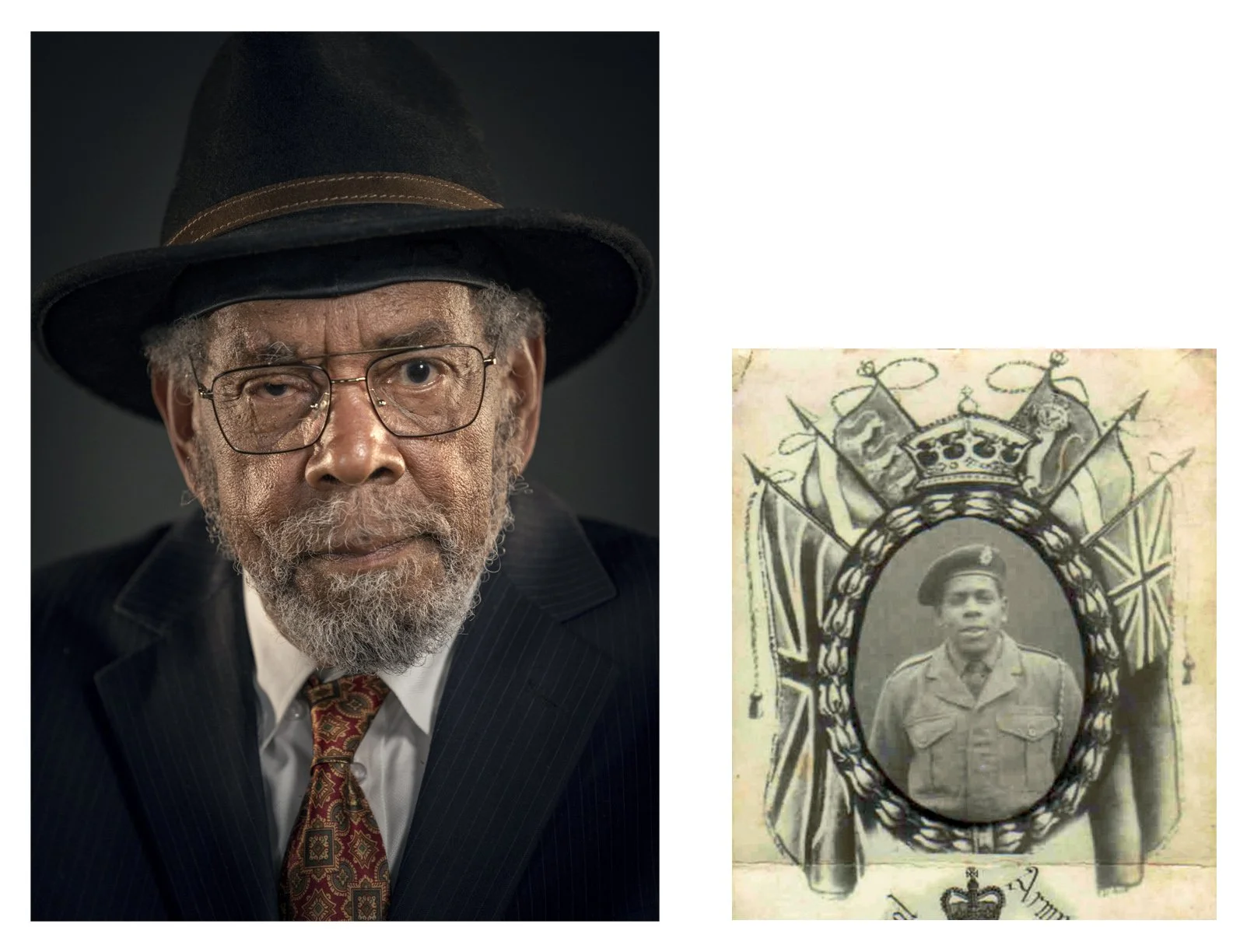
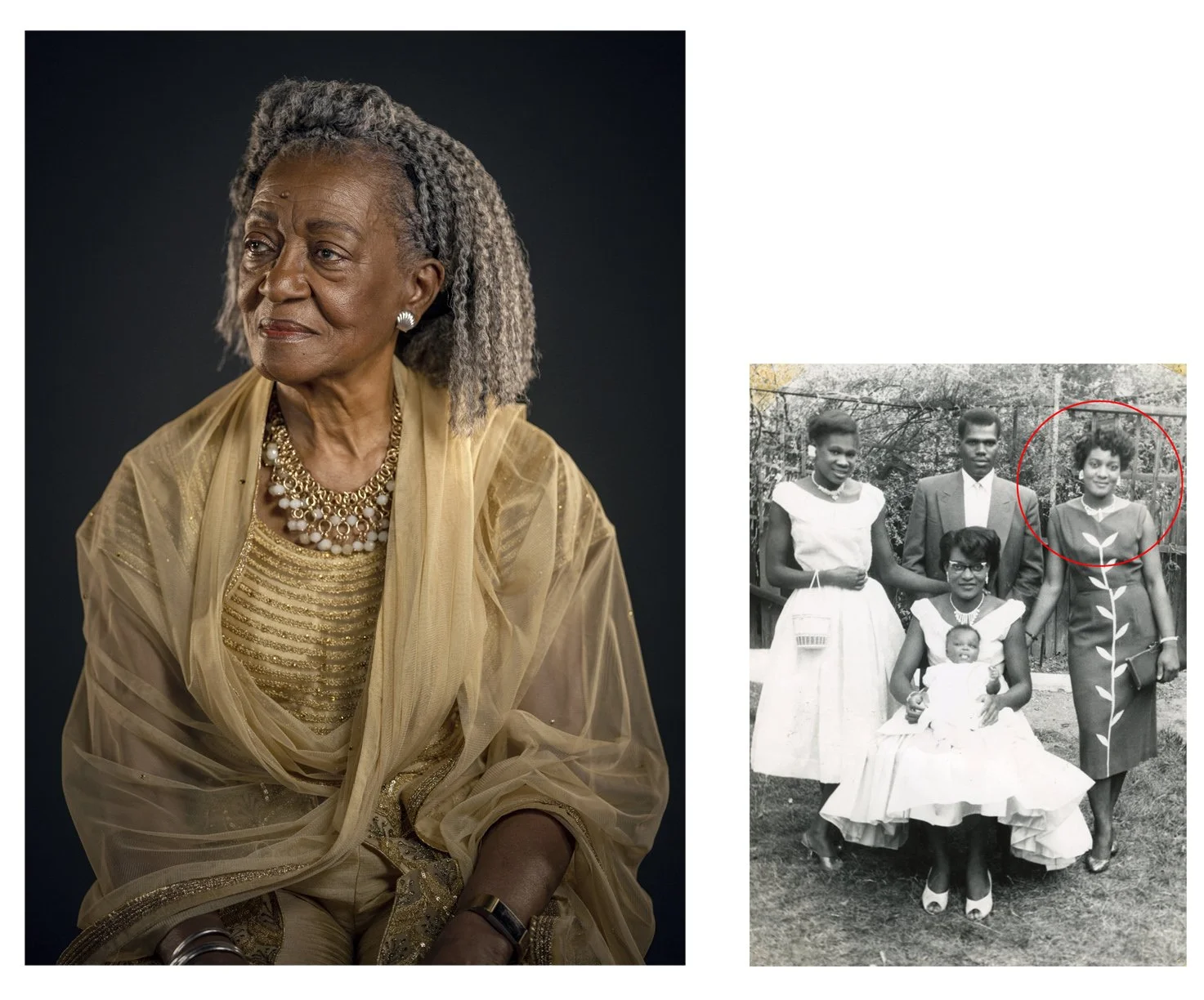
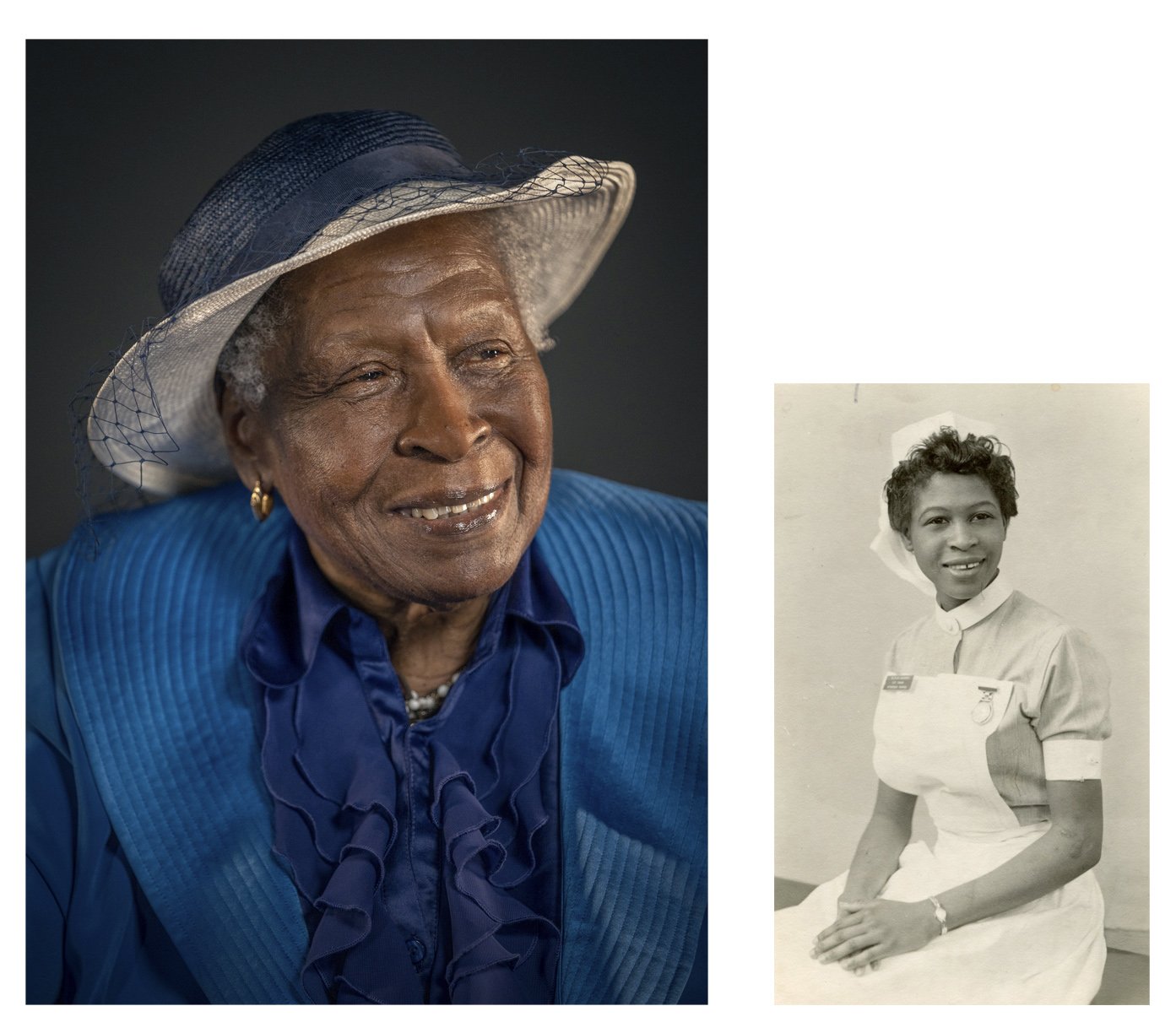
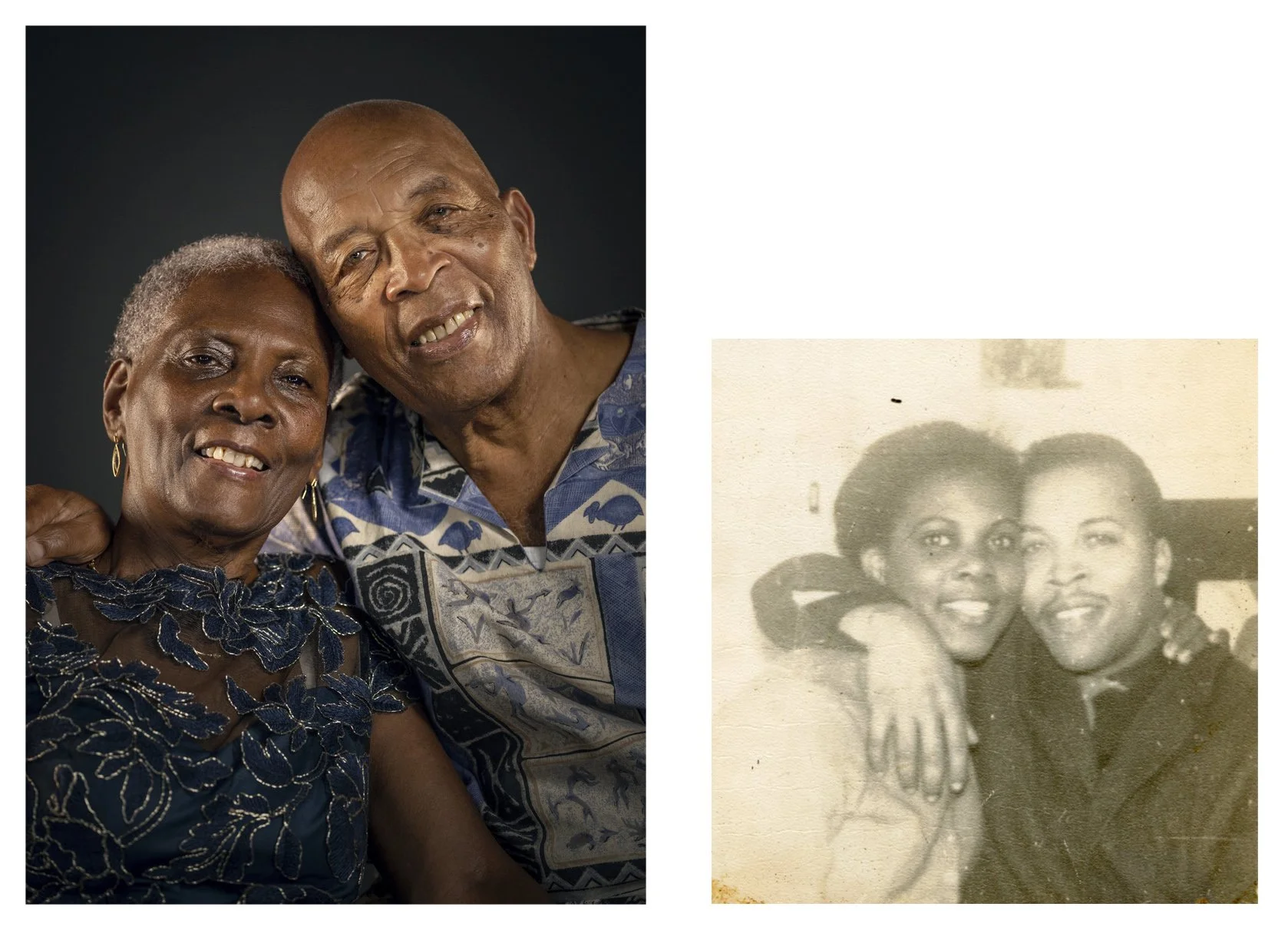
QR codes next to each portrait let visitors hear the elders tell their stories in their own voices. Click below to hear Desmond share his incredible journey — stowing away on a ship as a young man and building a whole new life when he arrived in the UK.
Images from the Windrush Portraits exhibition at Bernie Grant Arts Centre © Glodi Miessi:
Queens (2022)
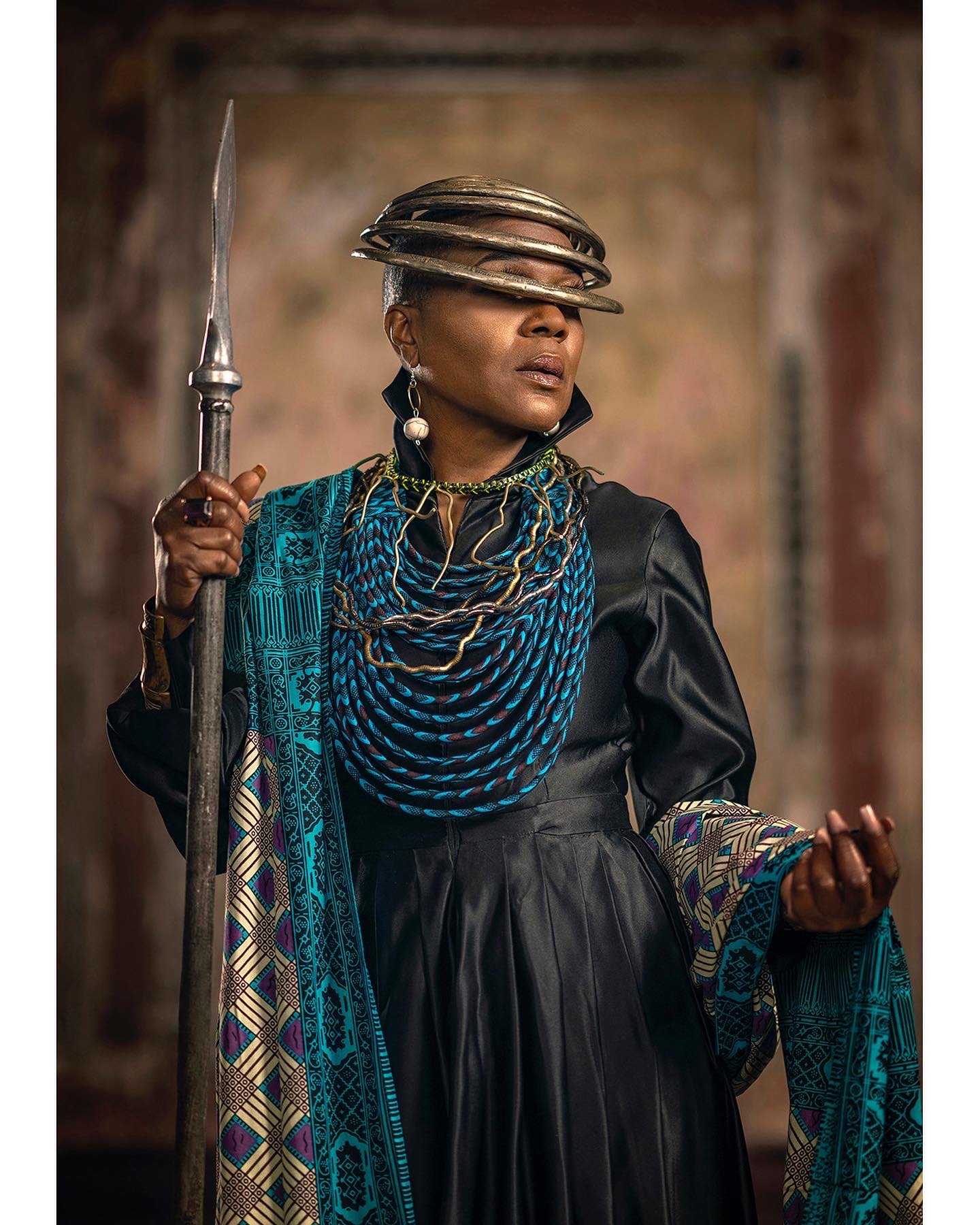
This project was a response to the Queen's platinum jubilee and an exploration of what a true Queen looks like.
Featuring a diverse, multi-generational selection of Black British 'Queens' from our local area of Tottenham, London, QUEENS aimed to shine a spotlight on the Black British experience within a country reigned by a monarch that does not look like them, represents a status quo that is often harmful to them, and whose life and experiences feel a world away from our own.
QUEENS explored how creative expression allows us to see someone's innate regality. We used a creative mix of traditional regal elements (swords, crowns, inspired by paintings of British monarchs from the past) alongside African and Afro-futuristic elements that reflect the heritage and history of the participants.
Each participant shared what the word 'Queen' means to them, and photographer Steve Bright captured their portraits in ways that honoured their personal definitions of royalty, power, and self-worth.
Images: © Steve Bright



Pajoma/Collective
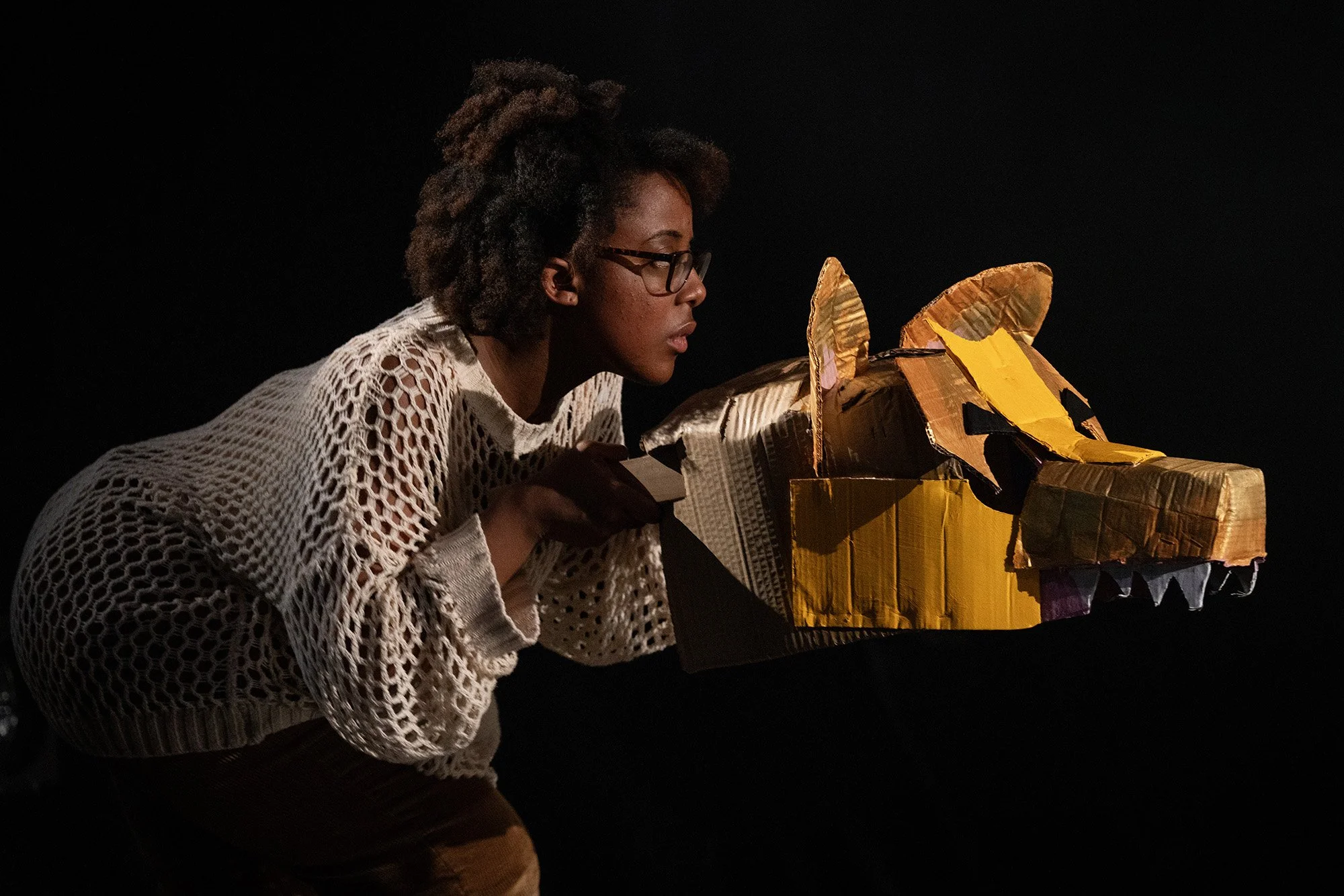
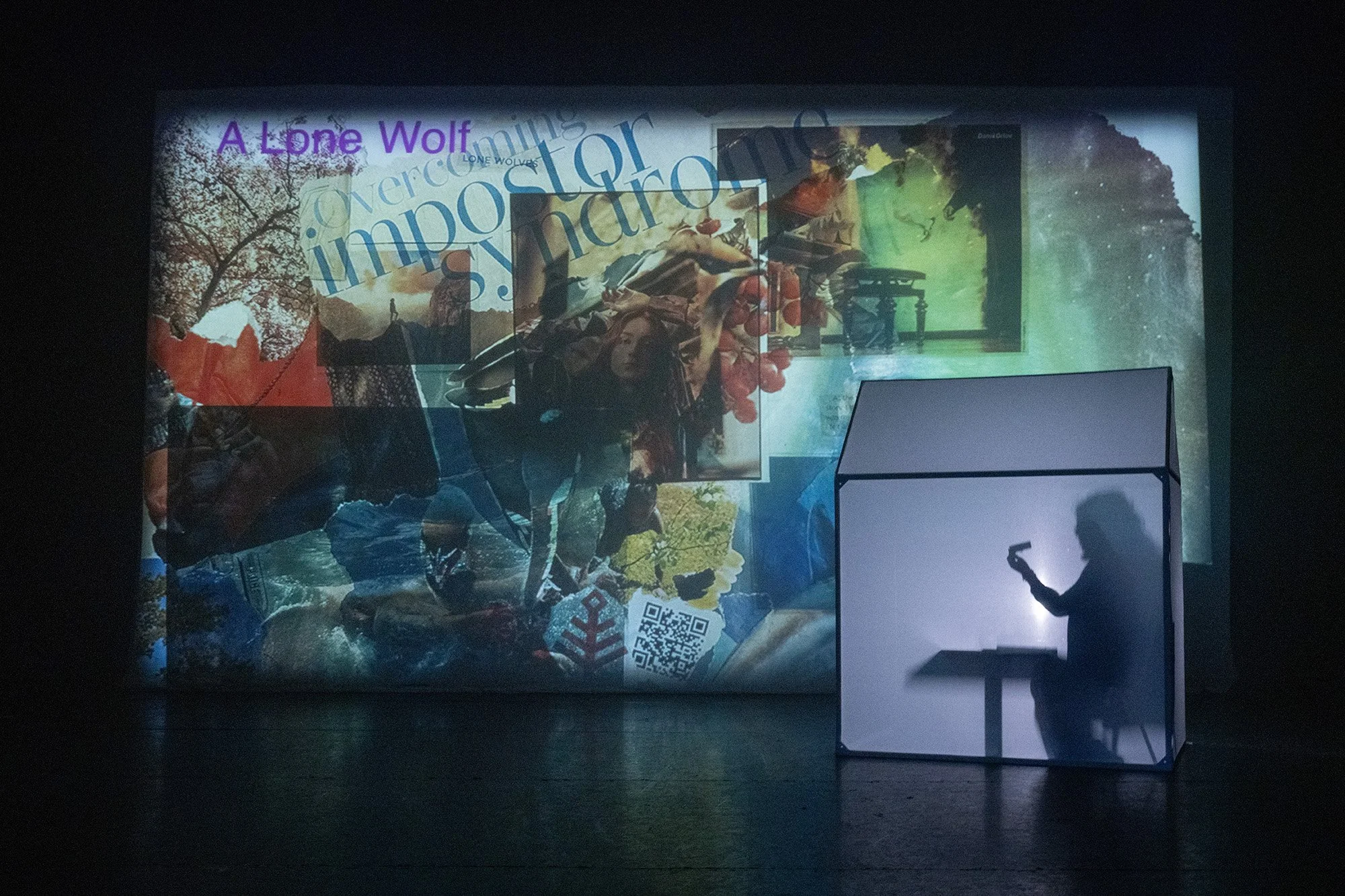
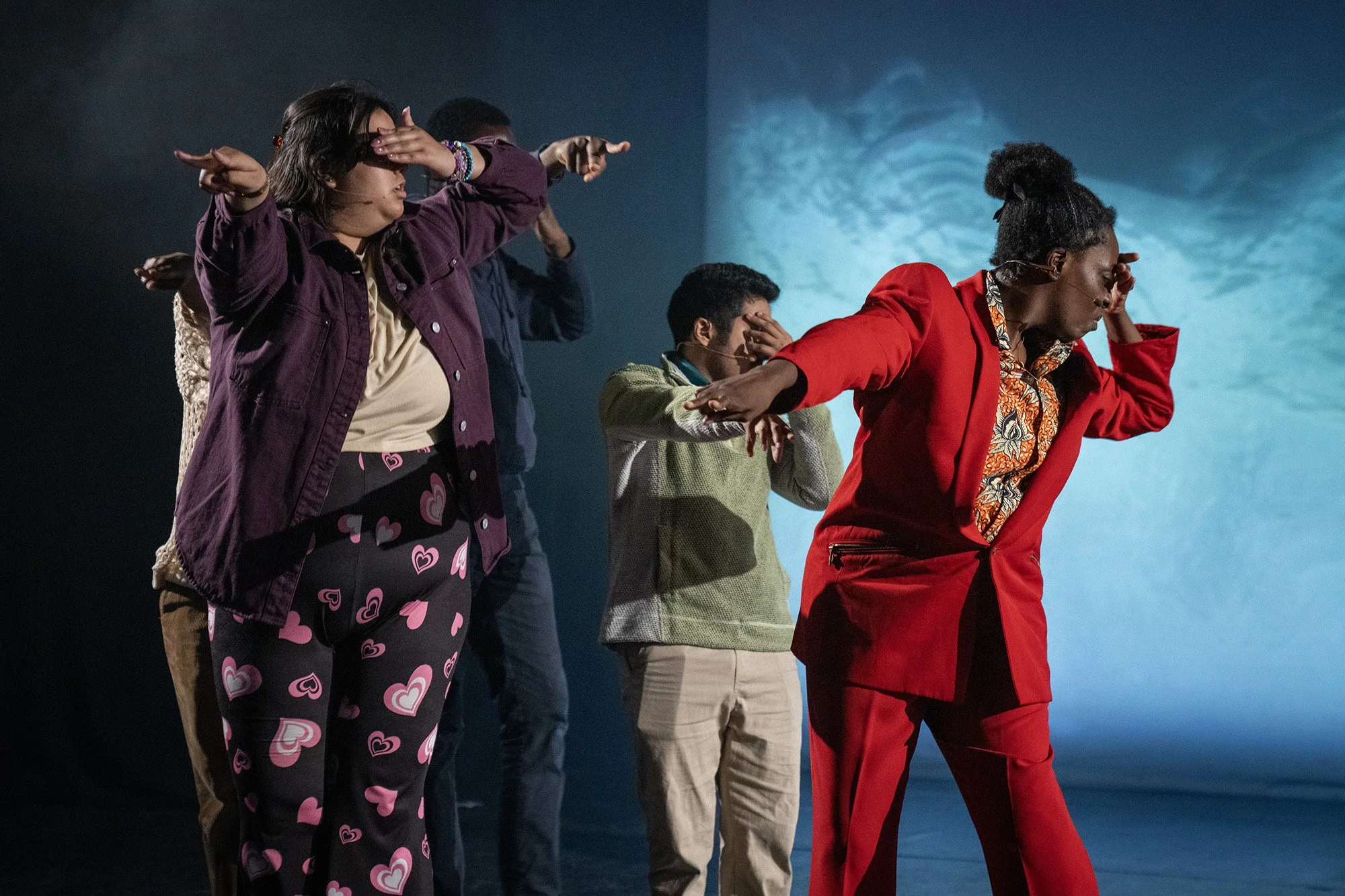
In 2024, Arts Bridge Charity created our first professional theatre production, Pajoma/Collective, a groundbreaking project for d/Deaf, Disabled, and Neurodivergent Black and Asian creatives.
This was a radical reimagining of how theatre gets made, embedding creative access into every stage of the process as a fundamental aesthetic and working principle, not an add-on.
Five emerging creatives aged 18+ formed a new ensemble through an intensive 16-week programme of workshops, devising, and rehearsal. Together, they created a powerful performance exploring inclusion and exclusion through their own lived experiences.
The results were transformative.
One participant in her 50s described Pajoma/Collective as her "first real shot" at a theatre career after decades of exclusion. Another shared: "PC gave me space to unmask as neurodivergent and disabled later in life and finally feel there's a place for me in this industry."
We learned that "emerging" doesn't mean young. It means finding your voice for the first time, whenever that happens. So we removed the upper age limit and opened the doors wider.
What made it work:
Audio Description, BSL, and creative captioning were woven into the fabric of the work from day one. We assembled a diverse creative team of 14 freelance practitioners (artists, choreographers, lighting designers, support workers, BSL interpreters), all paid fairly.
We partnered with Bernie Grant Arts Centre to host the Tottenham performance. Graeae Theatre generously provided rehearsal space and supported the project through their access expertise and sector connections. Almeida Theatre opened their costume stores to the company and offered participants free tickets to their productions, a relationship that continues today.
One participant wrote: "Loved, loved, loved the creative aspect of this project! Everyone was free to be themselves and that created something beautiful."
Impact:
100% of company members described the project as "successful" or "highly successful"
274 people attended live performances in Tottenham and Islington
1,854 people engaged via streamed digital content
Audiences said they had "never seen accessibility so creatively integrated" and described the experience as "deep and meaningful... accessible for all... a message we really need in these turbulent times"
What this means for ABC:
Pajoma/Collective fundamentally changed how we work. The process offered us vital insights into long-term inclusive practice, influencing our future programming and recruitment models.
We're developing a second iteration for Haringey Borough of Culture 2027, exploring touring opportunities, and consulting with sector partners to develop professional training on "access-first" creative practice.
For participants, it was life-changing.
Juley-Ann Smith, one of the company members, had found refuge in the arts as a young carer decades earlier. Returning to performance through Pajoma/Collective was a reclamation: "Being part of this project has been life changing. It really is a community… I have felt growth from experiencing an inclusive and diverse environment in ways I have never experienced before."
She entered the project with deep anxieties around writing, memory, group work, and her physical and mental health. What drew her to PC was the promise that these experiences wouldn't be sidelined but welcomed.
Working with director Andrea Ling and Amanda Bright, she unmasked publicly as a neurodivergent, disabled artist and thrived. She performed a monologue she'd written herself.
"Pajoma/Collective is a space where I am not alone, whilst on my own journey as a writer and performer later in life… It feels, without doubt, empowering and life-affirming."
Her story reminds us that emerging artists are defined by courage, talent, and opportunity, not age or formal training.
Pajoma/Collective proved that when you centre access, you unlock artistry.
Images: © Steve Bright
ABC's Approach
What unites all of ABC's work:
Whether intergenerational heritage projects or professional theatre productions, ABC is committed to:
Centring community voices: We create work with communities, rooted in their experiences and expertise.
Creative access as standard: Access is embedded from the start, woven into the artistic process.
Career pathways for underrepresented artists: We work with local creatives who reflect the demographics of the communities we serve.
High artistic quality: Community work can and should meet professional standards.
Amanda Bright, ABC's Founder and Director, has a grassroots approach to leadership. She's passionate about creating spaces where people see themselves as artists and where heritage work is visceral, embodied, and performed.
Amanda was selected for the Clore Experienced Leader Programme (2025 - 2026), where she developed strategic approaches to sustainable leadership and organisational growth. This practice is embedded throughout ABC's work.
In 2026, ABC was one of 25 organisations chosen to participate in Arts Council England's Diversity Development Programme Strategy Support and Mentoring, strengthening our infrastructure and sector impact.